A Vow to the Moken
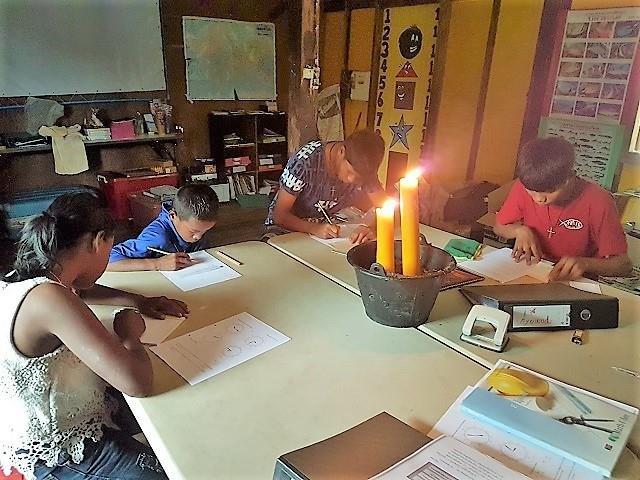
The month began lightly. When the older children's school term started before an invited surf camp near Phuket, Philip refused to let them miss out and improvised his own camp on the island: a friendly bungalow, Lazy Hut, opened its doors and meals to the Moken children at a fair price, and for two days they were in and out of the sea from dawn to midnight, surfing and swimming. He hopes to make it an annual thing.
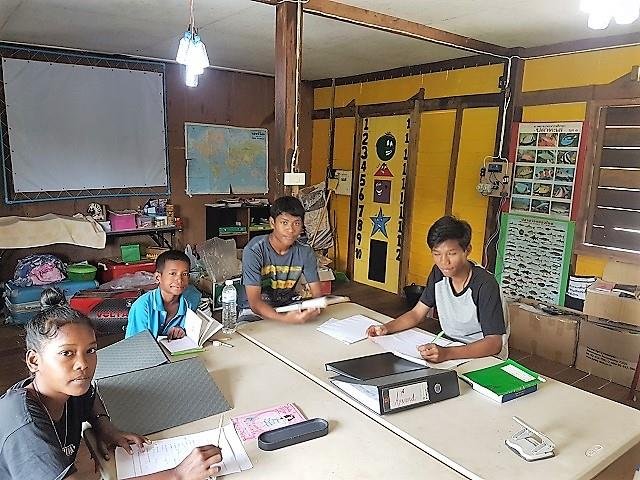
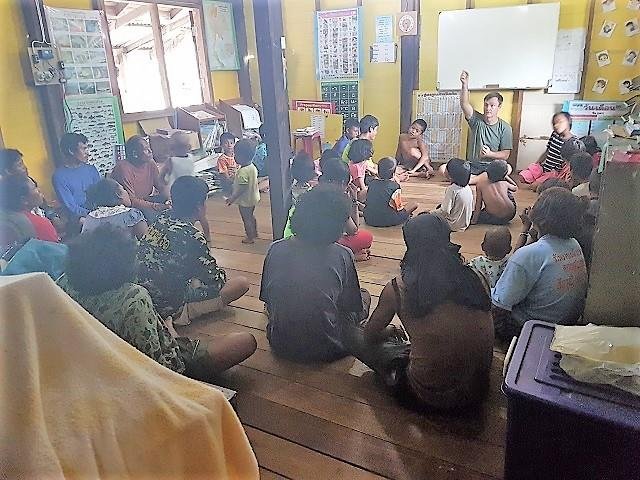
But under the joy, a hard reckoning had been forming. For months Philip had been weighing his own role in the children's schooling, and it had brought him deep grief. At the island's government school the Moken children were not only becoming literate — they were being formed to think and behave in the Thai cultural way. "It was never the idea that the Moken should become Thai," he wrote. Adapting to the Thai economy is vital to the Moken's survival; but trying to be Thai is to let the Moken culture die out. He hears it every day now — children playing in a language that is not their own, beautiful Moken children turning into Thai children, an identity falling away piece by piece while no one, himself included, kept watch over it.
He named the danger plainly: that mission work, done without unity or care, can be a "destructive steamroller" following its own wisdom — and that the Moken could yet become just another statistic, a small culture that mission work dealt the death blow. And then he made a vow. He would stay and try to repair what had been started here, for as long as it takes — "until the last Moken leaves as a Thai." It is no longer about himself, he wrote, but about the survival of a people, and his heart's desire to one day welcome the Moken as brothers and sisters, full members of the Bride of Christ.
Photo Gallery