The Hardest Christmas
Some Moken children are born with HIV. Saw, one of Philip's young foster sons, and his sister Jieab both were, and through the year both had built up resistance to their medication. Philip fought for months to get the hospital to change it. The new medicine came only the previous month — too late, he feared, for Saw. His sister was doing better, though still very sick; Saw simply wasted away. Yet he stayed positive, and told Philip he was ready to go.
Because Christmas Day is an ordinary school day in Thailand, they held Christmas the weekend before. In that final week Saw grew very weak; Philip sat with him each night. On the last day before the centre closed for Christmas he was too weak to walk and had to be carried to class, but he wanted only to be there with the others. That evening he said his arms had grown too heavy to lift, though he felt no pain, and that he would wait until after Christmas. With a heavy heart Philip left for Ranong to buy the Christmas food. On the way back, thirty minutes from the island, the call came: Saw had stopped breathing.
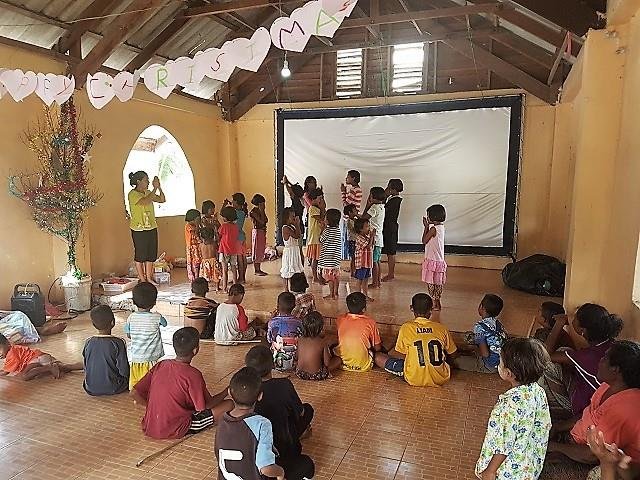
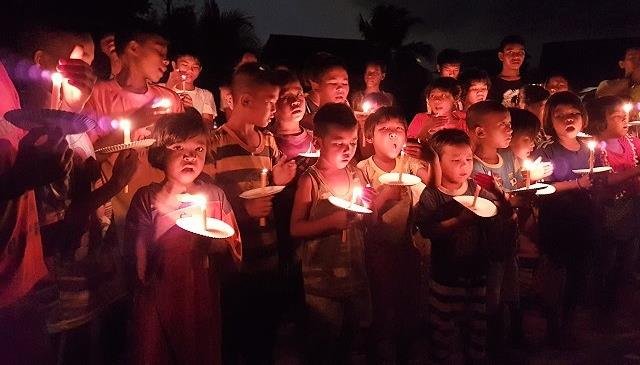
The children helped carry the Christmas supplies across the tidal river, all of them crushed, the excitement gone. The family had no money for the traditional multi-night wake, so Saw was laid to rest the next morning on Koh Mo, the island where the Moken bury their dead. It was Ieang who urged them to still hold the singing the children had rehearsed for weeks. So they returned from the grave, rested, lit their candles, and went house to house to sing; the next day they ate and played and performed the story of Jesus' birth, the parents laughing and retelling it among themselves. "It was not a good Christmas for me," Philip wrote. "I hope never to have such a Christmas again." Their hope, he added, is the one that holds: that they will see Saw again.
Photo Gallery