A Soccer Field and a Path to Belonging
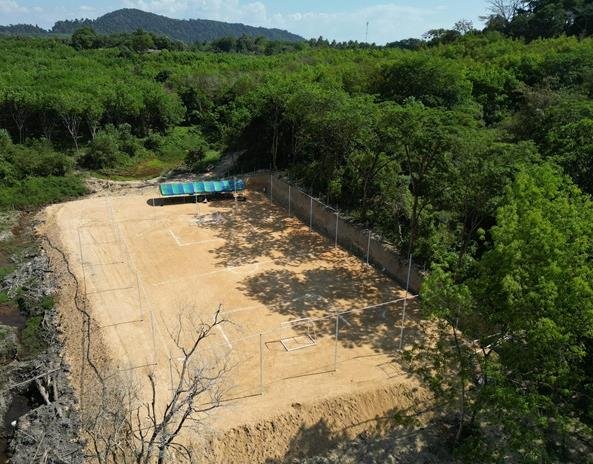
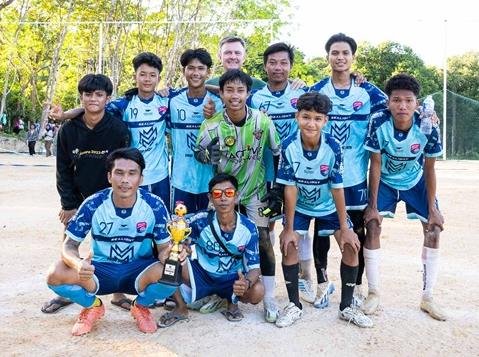
Against everyone's expectation that it would take a year or two, the island's new soccer field went up quickly once the rains passed. With the two foster sons who had first championed it, Wud and Tine, now busy elsewhere, Philip turned to Sieng — a Thai man who had helped build the bridge — who found the best workers at the best prices, and "before we knew it, there was a field." Even before the grass was planted the first matches drew twelve teams, and the Moken's own "SeaLight" side came first. Wud, the eldest foster son, still in the army until October, is thrilled: he sees the field as a platform to reach young people with the Good News.
A quieter, weightier step was house registration — mandatory in Thailand and a real boost to a citizenship application. Philip had spent months preparing the Moken to do the groundwork themselves; of five families who wanted to register, three went with him to Ranong, and all three homes were registered. The catch is telling: registration requires a bathroom, and though every house once had one, the Moken had no use for them in the beginning and let them fall apart — so of thirty-eight houses, only five still qualified.
The children wrote their informal-school exams — two foster youth, Tine and Jieab, sitting their matric, with a large group of young people completing the first level of the re-education programme. Electricity was fully installed at last (battery and inverter, the first of three planned phases), designed to expand as machines are added for the tentmaker business. And after the cashew festival, Philip travelled to South Africa on a visa run: his old visa was expiring, and the changeover to a business visa required him to leave and re-enter the country.
Photo Gallery